🔰 BEGINNER LEVEL: Remote Start Basics
What Remote Start Does
Remote start allows you to start the vehicle's engine from a distance — typically via key fob or smartphone app — without physically being in the car. Benefits:
- Climate pre-conditioning: Car warm in winter, cool in summer before you enter
- Engine warm-up: Less wear on engine (debated but popular)
- Security perception: Can appear to be occupied
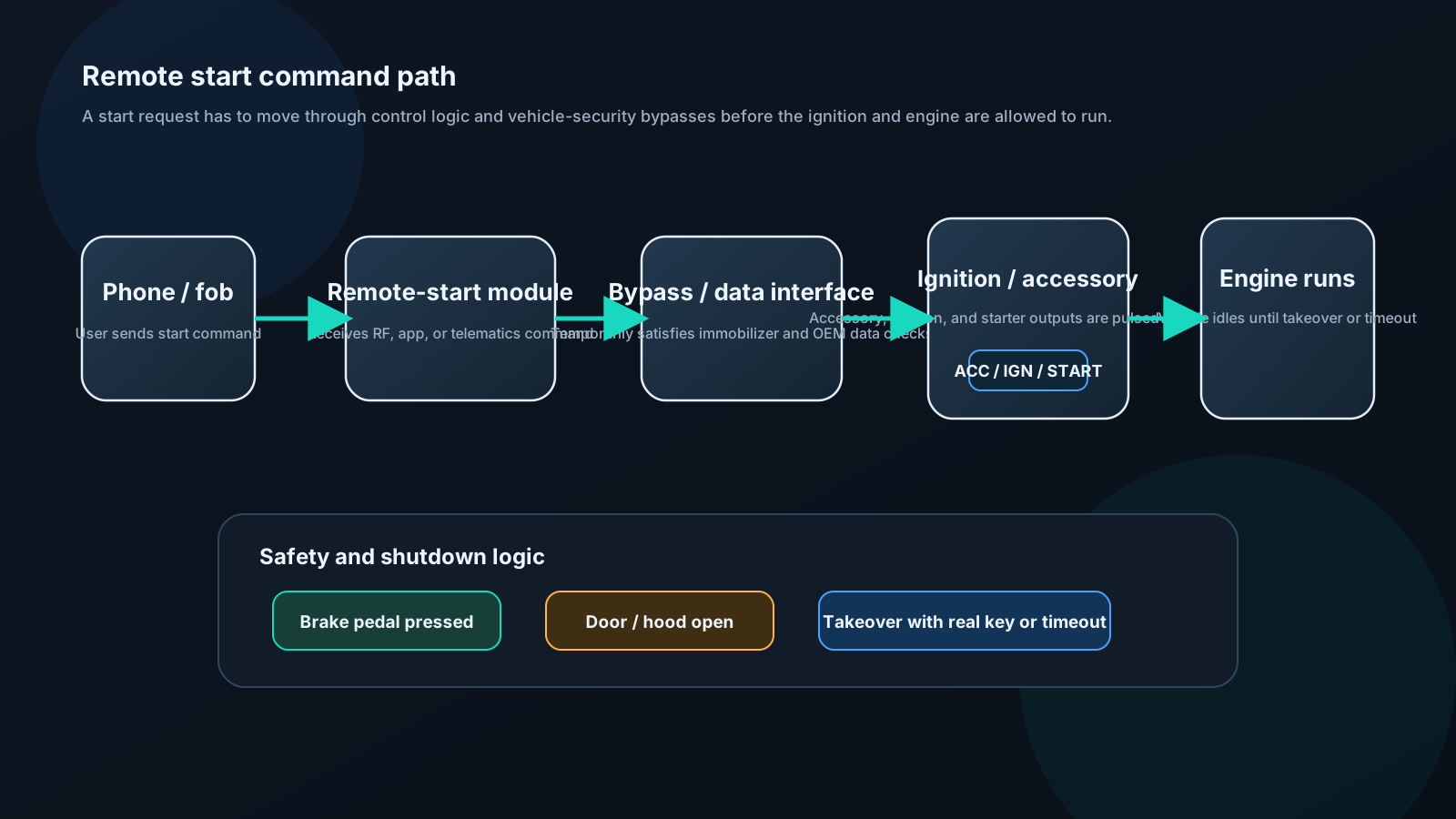
How it works (simplified):
- User sends start command (key fob, app)
- Remote start module receives command
- Module simulates key being turned: supplies power to ignition circuits
- Engine starts and runs without key present
- Safety systems engaged: Cannot put in drive without physical key
Safety interlocks are critical. A properly installed remote start system: - Immediately shuts off if brake pedal pressed (driver interlock) - Shuts off if clutch not depressed before engaging (manual transmission) - Does not override parking brake requirement - Shuts off after programmed run time (typically 10–30 minutes) - Will not start if hood is open (tamper interlock)
Selecting a Remote Start System
Stand-alone fob systems:
- Range: 500 ft to 1 mile depending on system
- No recurring subscription
- Start/lock/unlock/trunk release from fob
- Brands: Directed Electronics (Viper), Compustar, Python, DEI
Smartphone-integrated (telematic) systems:
- Range: Unlimited (cellular)
- Monthly subscription typically required ($3–15/month)
- iPhone and Android app
- GPS tracking included
- Real-time vehicle status (engine on/off, location)
- Brands: Drone Mobile, Compustar DroneMobile, Viper SmartStart
OEM integration:
Many modern vehicles offer factory remote start from the manufacturer (Ram, Chevy, Ford FordPass). Range varies; basic functionality. Some activate through the same app as vehicle status monitoring.
Security Systems
Why aftermarket security:
Factory security systems (if present) are basic — typically just door lock/unlock with alarm on forced entry. They don't provide:
- Starter interrupt (kill switch)
- Smartphone notification and GPS tracking
- Glass break or shock sensing
- Two-way confirmation of armed state
- Remote control via app
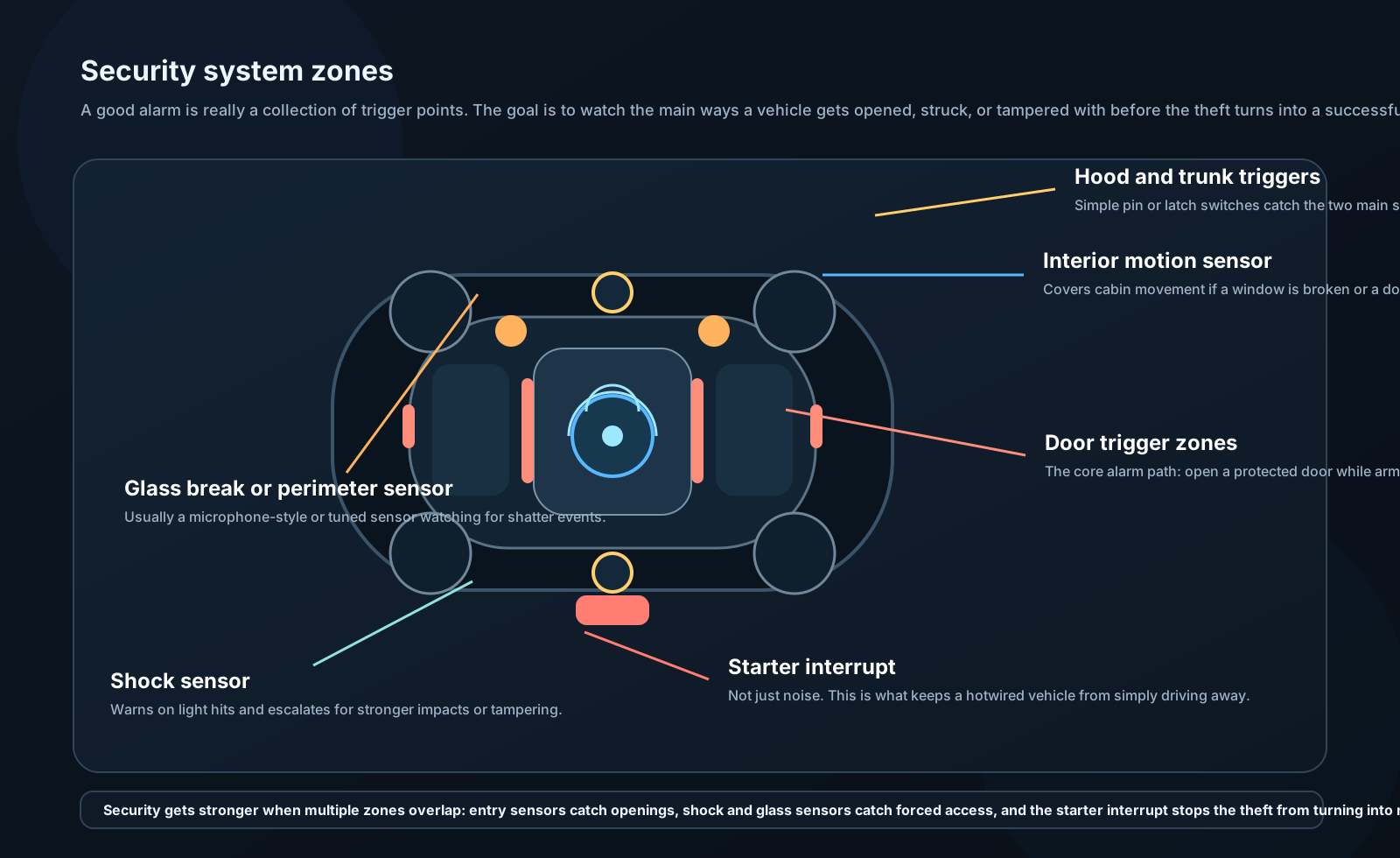
Basic security components:
Siren: External siren louder than factory horn. Discourages tampering. Direct-wired so it can't be easily disabled.
Shock sensor: Detects impact to vehicle. Two-stage: warning chirp for minor (cart ding), full alarm for major (attempted break-in).
Door trigger: When door opens while armed, triggers alarm. Uses factory door pin switches.
Ignition disable: Relay cuts ignition or fuel pump circuit. Even if thief hotwires, car won't start without disarming.
Glass break sensor: Microphone tuned to glass-breaking frequency. Triggers alarm if window shattered.